Why TV and Film Productions Need Embedded Wellness Support Too
When you think about the pressures facing a small business owner without HR support, the chaos is real: long hours, stretched resources, employees juggling multiple roles, and nowhere safe to turn when things get tough. Now imagine those same pressures, amplified tenfold, on a film or TV production set. The parallels are striking—and the solution is surprisingly the same.
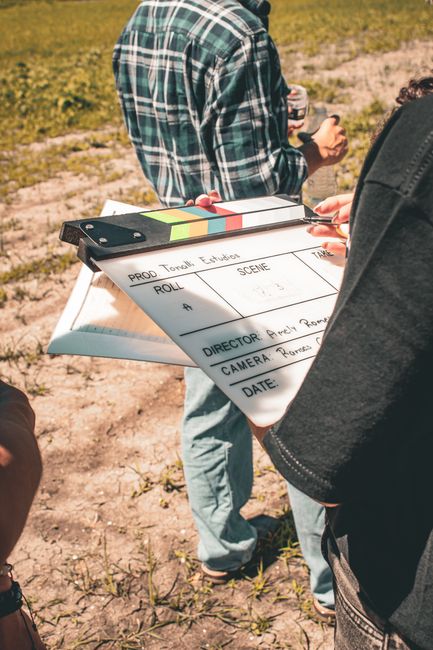
The Hidden Similarities Between Film Sets and Undersupported Businesses
At first glance, a TV production and a ten-person accounting firm seem worlds apart. But peel back the surface, and you'll find the same core challenges:
Intense time pressure and unpredictable schedules. On a film set, shooting days start before dawn and run past midnight. On a small business floor, a missed deadline or unexpected client crisis means everyone's staying late. There's no HR department to step in and say, "This isn't sustainable." The owner, producer, or office manager becomes the pressure valve—until they can't.
People doing multiple jobs simultaneously. A production assistant might be pulling equipment, managing extras, and handling logistics all in one shift. In your small business, one person wears five hats: marketing, operations, customer service, admin, and whatever else needs doing. When someone's stretched that thin, their health—physical, mental, and emotional—suffers quietly while they keep performing.
High stakes and high liability. On a set, one person's impaired judgment can cause a safety incident that shuts down production and opens the door to lawsuits. In your business, an employee struggling with substance use or untreated mental health can impact not only their own performance but your entire team's safety, your reputation, and your bottom line. The liability is real, and the pressure to catch problems is all on you.
The Cost of Silence: What Happens When Employees Struggle Alone
The most dangerous moment in any workplace is when someone stops asking for help and starts hiding their struggle. On film sets and in small businesses alike, this happens quietly and often.
An employee shows up. They perform their job. They smile during the meeting. But behind closed doors—or between takes—they're drowning. Maybe it's stress-related insomnia. Maybe it's an untreated anxiety disorder. Maybe it's the early signs of substance use as a coping mechanism. Without embedded wellness support, these struggles stay invisible until they become crises: sudden absences, performance drops, safety incidents, or worse.
The problem is that most small business owners and production managers aren't trained to spot these signs, and even if they do, they don't have the bandwidth or expertise to help. You can't fire your way out of the problem, and you can't fix it by working harder yourself. The owner or office manager becomes the de facto counselor, nurse, and life coach—often while managing their own burnout.
This is where embedded wellness support changes everything. Instead of relying on one overextended person to notice problems and know what to do, you have a trained wellness professional in your back pocket, available to your team.
What Embedded Wellness Support Actually Does for Your Team
Embedded wellness support isn't about mandatory wellness seminars or posters in the break room. It's about making real, person-centered care accessible to the people who are showing up and performing for you every single day.
As a registered nurse and board-certified nurse coach, I combine twelve years of clinical nursing expertise with coaching methodologies to meet employees where they are—not where you wish they'd be. This means one-on-one support for the employee quietly struggling with sleep deprivation or early substance use concerns. It means group sessions that help your whole team build resilience and communicate better. It means having someone your office manager can consult when they notice something's off but don't know how to help.
The results are measurable. Employees who have access to embedded wellness support show increased engagement because they feel seen and supported. They stay longer because they're not burning out in silence. Workplace communication improves because people have a safe space to process stress instead of letting it fester. And for your business, burnout decreases, which directly protects your bottom line and your liability.
For small business owners especially, this is game-changing. You stop being the only person employees feel they can turn to. You get breathing room. Your team gets the real support they need.
Tiered Support That Fits Your Reality
Not every small business has the same needs or budget. That's why embedded wellness support should be flexible.
My approach offers three tiered packages designed to meet you where you are. Whether you're a five-person startup looking for occasional one-on-one wellness coaching, a mid-sized business needing regular group sessions plus on-call support, or an operation with higher liability risk requiring comprehensive coverage, there's a package that works. Each tier includes direct access to a trained wellness professional who understands both the pressures of your industry and the real constraints of running lean.
The beauty of this structure is that it's scalable. You're not paying for a full HR department you don't need. You're getting professional wellness support embedded into your operation in a way that makes sense for your team and your budget. And for small business owners managing high-risk situations—like teams where substance use could create liability—the right tier of support becomes not just a nice-to-have but a strategic investment in safety and compliance.
From Burnout to Sustainable Performance
The real power of embedded wellness support lies in shifting the culture from "survive and perform" to "perform sustainably." This works whether you're managing a film set or a small business team.
When employees know that wellness support is available—not as a resource they have to hunt for or justify, but as a woven-in part of how your organization operates—behavior changes. People reach out before they hit crisis. They communicate better with each other. They catch themselves heading toward burnout and take action. The owner or office manager stops being the only person holding everyone up.
For small business owners without HR support, this matters enormously. You get the clinical expertise, the coaching skills, and the person-centered approach of a trained wellness professional—without the overhead of hiring and managing an HR team. Your employees get real support. Your business gets the stability that comes from engaged, resilient, healthy people showing up to do their best work.
Your Team Deserves More Than Silence
Whether you're running a small business or managing a production, the truth is the same: your team's wellness directly affects your success. When people struggle alone, everyone pays the price—in turnover, burnout, safety risks, and liability exposure.
Embedded wellness support isn't a luxury. It's a practical, strategic investment in the people who make your operation run. It's about creating a culture where struggling quietly stops being the default and getting real support becomes the norm.
If your small business is ready to stop relying on overworked office managers and start giving your team the wellness support they actually need, let's talk about which tiered package makes sense for you.
First published on bemoreswan.com. This is a republication.
✦ This post was created with AI assistance and reviewed by a human.
Co-written and published with Be More Swan.